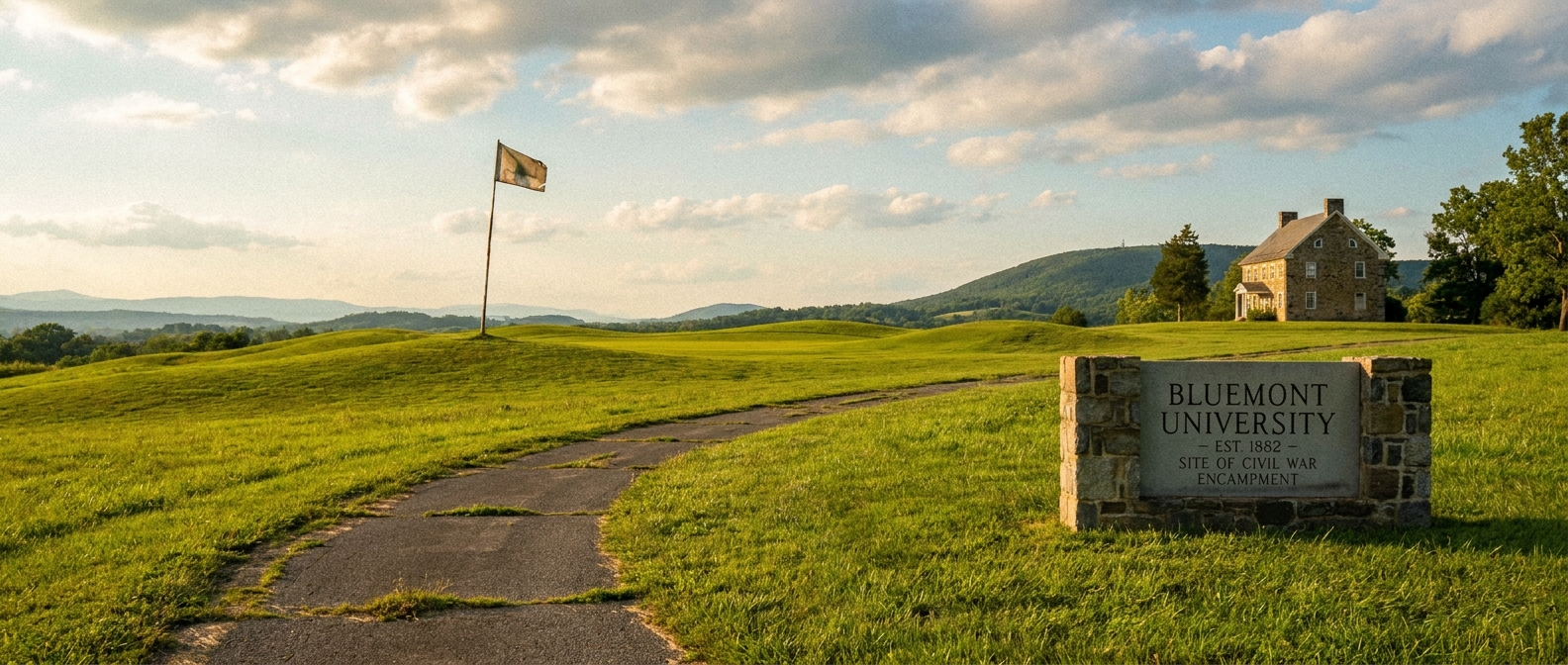
A Fairway's Farewell: The Virginia National Golf Club's Evolving Legacy
The landscape of golf courses is ever-changing, shaped by economic shifts, development pressures, and evolving community needs. Few tales encapsulate this dynamic as vividly as that of the Virginia National Golf Club in Bluemont, Virginia. Once a cherished destination for golfers, this picturesque course, nestled amid the scenic beauty of the Shenandoah Valley, permanently closed its fairways in 2012. Its story, however, did not end there; it merely transitioned, transforming from a recreational haven into a site of profound historical commemoration and academic pursuit, now home to a significant portion of Shenandoah University.
The Genesis and Flourish of a Bluemont Gem
Opened in 1999, the Virginia National Golf Club quickly established itself as a premier public golf facility in Northern Virginia. Designed by renowned course architect Ed S. Ault, the 18-hole championship course spanned over 7,000 yards, offering a challenging yet rewarding experience for golfers of all skill levels. Its undulating terrain, strategic bunkering, and pristine conditions were complemented by breathtaking views of the surrounding Blue Ridge Mountains, making it a favorite among locals and visitors alike. The club boasted a pro shop, practice facilities, and a clubhouse that hosted numerous tournaments, events, and community gatherings, embedding itself deeply within the social fabric of Bluemont and the broader Winchester area.
For over a decade, Virginia National thrived, representing a significant investment in leisure and tourism for the region. It was a place where friendships were forged on the greens, where beginners honed their swings, and where seasoned players tested their mettle against a beautifully designed course. Its existence underscored the demand for quality public golf experiences in a region rich with natural beauty and a growing population.
The Inevitable Closure and a New Horizon
Despite its popularity and esteemed reputation, the Virginia National Golf Club faced the same economic headwinds that challenged many golf courses across the nation in the late 2000s and early 2010s. Factors such as declining participation rates, increased operational costs, and the high value of prime real estate contributed to its eventual closure in 2012. It was a somber moment for the local golf community, marking the end of an era for what many considered a regional treasure.
However, this ending paved the way for a remarkable new beginning. The substantial acreage, strategically located and offering expansive views, attracted the attention of Shenandoah University. In a visionary move, the university acquired the land, seeing an unparalleled opportunity to expand its campus, enhance its academic and athletic facilities, and, critically, honor a vital piece of American history etched into the very soil.
From Fairway to Hallowed Ground: Shenandoah University's Campus and the Battle of Cool Spring
The transformation of the former golf course into a dynamic university site has been one of careful planning and respectful integration. Shenandoah University's decision to develop the land was not merely about expansion; it was deeply intertwined with the site's historical significance. A substantial portion of the land, unbeknownst to many golfers, lay atop the very ground where the Battle of Cool Spring, a pivotal Civil War engagement, took place on July 18, 1864.
Today, the site is recognized not only as a burgeoning university campus but also as a dedicated Civil War memorial and interpretive park. Shenandoah University, in partnership with historical preservation groups, has meticulously worked to identify and preserve critical areas of the battlefield. Walking trails now traverse the property, punctuated by interpretive signage that educates visitors about the battle's events, the soldiers who fought there, and its broader context within the Shenandoah Valley Campaigns.
The university's presence brings new life and purpose to the land, ensuring its upkeep and accessibility. Academic buildings, sports fields, and other facilities have been constructed with a mindful approach, blending modern infrastructure with a profound respect for the historical landscape. This unique symbiosis means that students, faculty, and visitors can engage with cutting-edge education while simultaneously walking through a living testament to American history.
Legacy, Lessons, and the Future
The story of the Virginia National Golf Club offers several practical insights. For communities and land developers, it highlights the potential for innovative repurposing of large tracts of land, particularly those with latent historical value. For golf course operators, it underscores the importance of adaptability and strategic planning in a competitive and volatile market. Perhaps most significantly, it demonstrates how historical preservation can coexist, and even thrive, alongside modern development when approached with careful consideration and collaboration.
The disappearance of the Virginia National Golf Club as a golfing destination was undoubtedly a loss for many. However, its metamorphosis into a site that simultaneously educates, commemorates, and inspires stands as a powerful testament to resilience and responsible stewardship. The former fairways of Bluemont now serve a higher purpose, ensuring that the echoes of history are heard, and the pursuit of knowledge continues, long after the last golf ball was struck.